


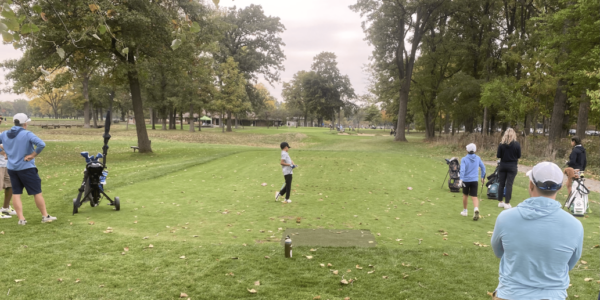
Young golfers who practice regularly develop skills faster and retain them longer than those who play sporadically. The difference between a junior golfer who practices once a week versus one who practices three to four times weekly becomes noticeable within just a few months. Muscle memory forms through repetition, and golf demands thousands of correct swings to build reliable form.
Research shows that young athletes need frequent exposure to master complex motor skills. Golf requires coordination between multiple muscle groups, precise timing, and refined technique across different clubs and situations. When junior golfers practice consistently, they reinforce proper mechanics before bad habits solidify. A two-week gap in practice can erase weeks of progress, particularly for players still developing their fundamental swing.
The benefits extend beyond swing mechanics. Young golfers who maintain regular practice schedules develop discipline, time management skills, and goal-setting abilities that serve them throughout life. They learn that improvement requires sustained effort rather than occasional bursts of activity.
Building Muscle Memory Takes Time
Golf swings happen in less than two seconds, but developing a repeatable swing takes thousands of repetitions. Young golfers need consistent practice to train their bodies to execute the same motion reliably under pressure.
The Science Behind Repetition
When junior golfers repeat a motion correctly, neural pathways strengthen in the brain. These pathways make the movement more automatic over time. Missing practice sessions disrupts this neural development, forcing young players to rebuild connections they’ve already started forming.
Studies on skill acquisition show that distributed practice—regular sessions spread over time—produces better results than cramming. A young golfer practicing three times weekly for one hour will outperform someone practicing once weekly for three hours, even though the total time equals out.
Physical Development and Coordination
Young golfers are still growing, which means their bodies change constantly. Regular practice helps them adjust to these changes and maintain their swing as they gain height, weight, and strength.
Flexibility and balance improve through frequent golf-specific movements. Young players who practice regularly develop:
- Better hip rotation and shoulder turn for increased power
- Improved weight transfer throughout the swing
- Stronger core stability for consistent contact
- Enhanced hand-eye coordination for short game touch
- Greater body awareness for self-correction
These physical adaptations happen gradually. Inconsistent practice means young golfers constantly readjust to their changing bodies rather than building on previous progress.
Mental Game Development
Golf tests mental strength more than most sports. Young golfers face individual pressure on every shot, with no teammates to rely on and plenty of time to overthink between swings.
Focus and Concentration
Consistent practice teaches young golfers to maintain focus for extended periods. They learn to block out distractions, commit to shots, and recover from mistakes. These mental skills require regular reinforcement.
Course management skills develop through repeated exposure to different situations. Young golfers who practice regularly encounter more scenarios and learn to make strategic decisions rather than just swinging hard at every shot.
Long-Term Skill Progression
Golf skills build on each other. Young golfers need a solid foundation before adding complexity to their game. Consistent practice allows for systematic skill development.
Coaches can implement progressive training when students attend regularly. They introduce new concepts at the right pace, ensuring each skill solidifies before moving forward. Sporadic attendance forces coaches to review basics repeatedly rather than advancing the player’s development.
Tournament performance directly correlates with practice frequency. Young golfers who maintain consistent schedules handle competitive pressure better because their skills feel automatic rather than tentative.
Practice vs. Playing Rounds
Many junior golfers confuse playing rounds with practicing. While course time matters, young players need dedicated practice to improve specific skills.
Playing 18 holes might involve only 40-50 full swings, with limited opportunity to repeat and correct mistakes. A focused practice session allows hundreds of repetitions, targeted feedback, and deliberate work on weaknesses. Young golfers need both, but consistent practice sessions drive improvement faster than playing alone.
Range work, short game practice, and putting drills address specific skill gaps that rounds expose. The combination of regular practice and occasional play produces the best results.
Creating a Sustainable Schedule
Young golfers balance school, other activities, and social time. Building a realistic practice schedule increases the likelihood they’ll stick with it.
Parents should help junior golfers identify:
- Specific practice days and times each week
- Duration that maintains engagement without burnout
- Goals for each practice session
- Progress tracking methods to show improvement
- Flexibility for occasional schedule adjustments
Starting with two to three practice sessions weekly works better than ambitious plans that become overwhelming. Young golfers who maintain moderate schedules for months improve more than those who practice intensely for a few weeks then quit.
Getting Started with Consistent Practice
The Golf Practice provides indoor golf training facilities designed for year-round skill development. Our Highland Park and Lisle locations offer young golfers access to launch monitors, swing analysis technology, and structured coaching programs that make consistent practice effective and engaging.
Indoor facilities remove weather barriers that interrupt outdoor practice schedules. Young golfers can maintain their routine regardless of rain, cold, or darkness, ensuring they build the consistency needed for long-term improvement.
Contact The Golf Practice to learn about junior golf programs that help young players develop consistent practice habits and accelerate their skill development throughout the year.