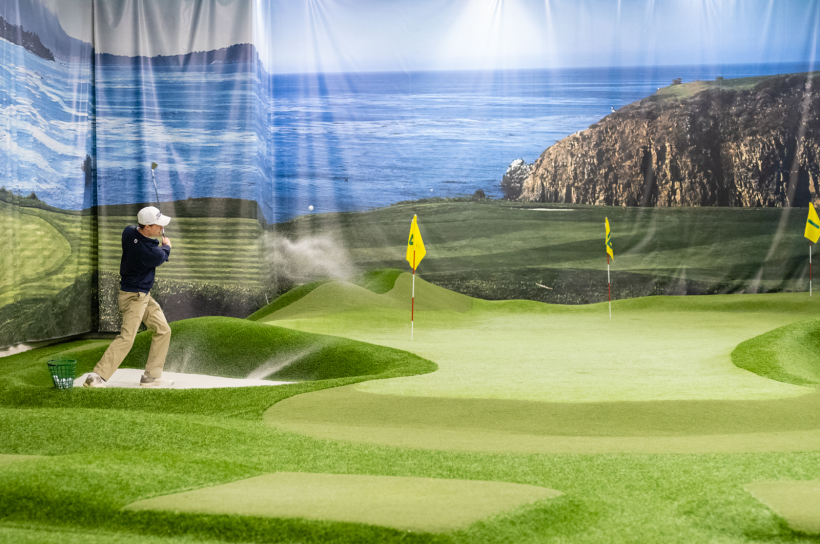
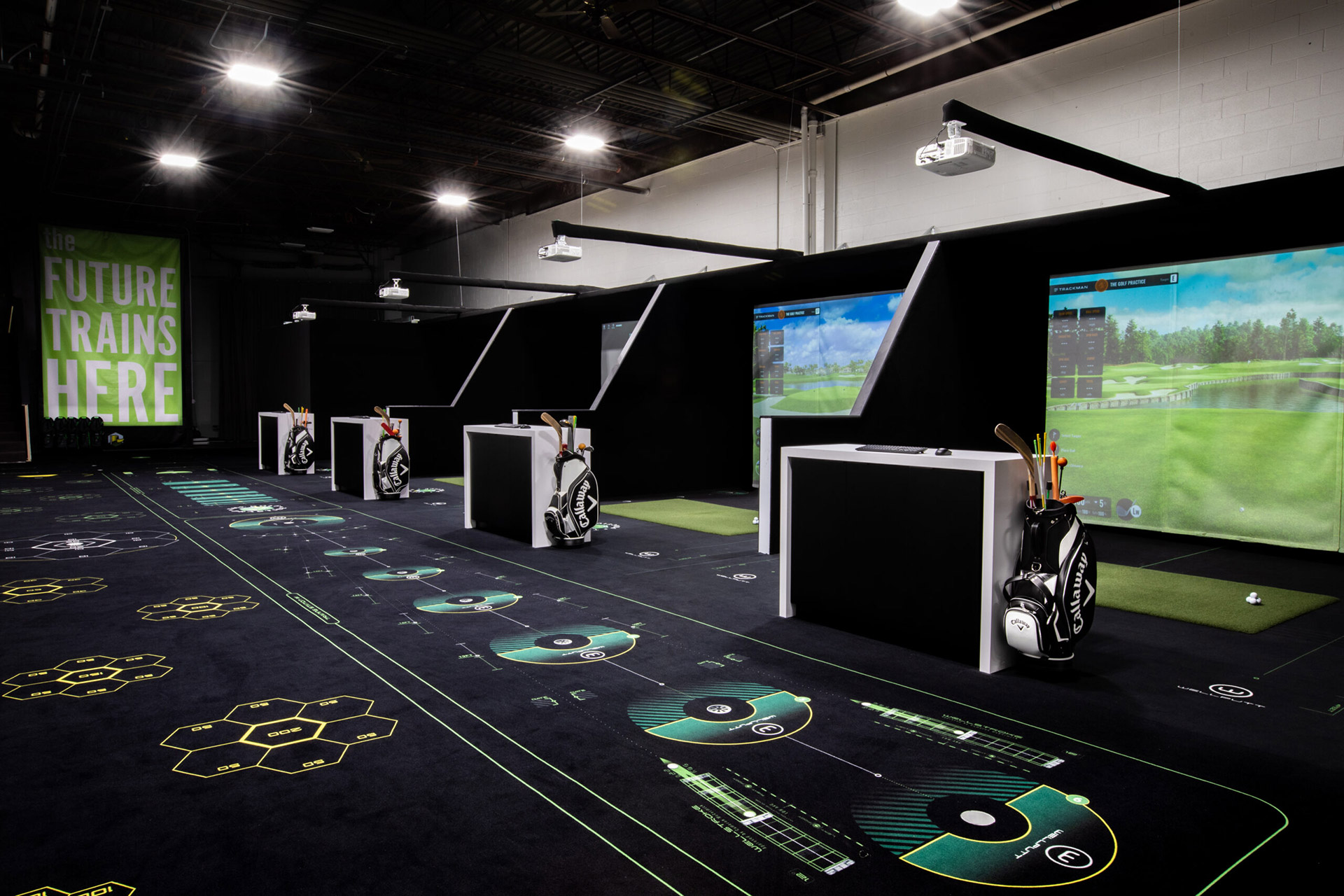
Most golfers — juniors and adults alike — are playing with clubs that don’t fit them. Not because they bought bad equipment, but because off-the-shelf clubs are built for an average golfer that doesn’t actually exist. The Golf Practice in Highland Park and Lisle, Illinois, offers professional club fitting through a True Spec partnership and TrackMan-backed technology. Here’s what club fitting actually is, why it matters at every age and skill level, and what the process looks like from start to finish.
What Club Fitting Actually Is
Club fitting is the process of matching equipment specifications to your individual swing characteristics. The relevant variables include shaft flex, shaft length, lie angle, loft, grip size, and head design. Each of these affects ball flight differently. A shaft that’s too stiff for your swing speed will reduce ball speed and launch angle. A lie angle that’s too upright sends the ball left. A grip that’s too thick reduces wrist action through impact.
None of these fitting variables are visible to the naked eye during a swing. They show up in the data. A TrackMan session captures ball speed, launch angle, spin rate, carry distance, and dispersion pattern — and the combination of those numbers tells a fitter exactly which equipment changes will produce better results for that specific golfer. This is why fitting done on a TrackMan system produces meaningfully more reliable results than fitting done by eye or by a basic impact board.
Why Off-the-Shelf Clubs Underperform
Retail golf equipment is manufactured to fit a statistical middle — typically a male golfer with a swing speed between 85 and 95 mph, standing about 5’10”. If you’re outside those parameters in any direction (shorter, taller, slower swing, faster swing, different attack angle), the standard specifications are working against you rather than with you.
A 2021 study by the Golf Manufacturers Association found that golfers playing with properly fitted clubs showed an average improvement of 9 yards in carry distance and a 32% reduction in shot dispersion compared to their performance with standard off-the-shelf specifications. That’s not a marginal gain — for a 15 handicapper, a 32% tighter dispersion translates directly to fewer penalty strokes and more greens in regulation. The equipment doesn’t swing the club for you, but it either fights you or helps you, and most off-the-shelf equipment is quietly fighting.
Junior Club Fitting: Why It Matters Early
The argument for fitting junior golfers is even stronger than for adults. A child swinging a club that’s too heavy, too long, or too stiff will compensate with posture and grip adjustments that build bad habits — habits that coaching then has to spend months undoing. Junior golfers who are fitted correctly from the start develop fundamentals that actually match their equipment, which means the technical coaching they receive at The Golf Practice builds on a clean foundation rather than fighting a compensation pattern.
Junior fittings also account for growth. A set that fits an 8-year-old won’t fit the same child at 10. The Golf Practice coaches can advise on fitting intervals that match your junior’s development pace — generally every 12 to 18 months for actively growing juniors in the Junior Essentials and High School Prep programs.
Book a Club Fitting at The Golf Practice
Whether you’re fitting a junior for their first real set or upgrading equipment as an adult, The Golf Practice in Highland Park and Lisle has the technology and expertise to get it right.
Contact Us or call (847) 850-0956.
What Gets Measured During a Fitting
A full club fitting at The Golf Practice covers several measurement categories. Static measurements come first: height, wrist-to-floor distance, and hand size. These establish the baseline shaft length and grip size parameters. From there, the dynamic fitting begins on TrackMan — the golfer hits a series of shots with different shaft options and head configurations while the system captures ball speed, launch angle, spin rate, and shot shape for each.
The fitter compares performance across options using real data rather than feel alone. A golfer may prefer the feel of a stiffer shaft but the data shows their ball speed and carry distance are measurably better with a mid flex option — that’s information a feel-based fitting cannot capture. The goal is not the club that feels best in the bay. It’s the club that performs best on the course.
True Spec Golf Fitting at The Golf Practice
The Golf Practice’s club fitting partnership with True Spec Golf means access to one of the most complete fitting inventories in the industry — over 50,000 club combinations across every major equipment manufacturer. True Spec fittings are manufacturer-agnostic, meaning the recommendation is based entirely on what the data says works best for your swing, not on which brand the fitter is incentivized to sell.
This matters because most retail fitting is done at a single-brand facility where the fitter can only recommend equipment from that manufacturer’s lineup. A True Spec fitting at The Golf Practice considers Titleist, Callaway, TaylorMade, Ping, Cobra, Mizuno, and every other major brand simultaneously — and the recommendation reflects the full competitive landscape of what’s available. For golfers in Highland Park, Lake Forest, Deerfield, and across the North Shore, this is a meaningfully different fitting experience than what’s available at a standard retail store.
How Often Should You Get Fitted?
For adults with a stable swing, a full fitting every three to four years is generally sufficient — unless you’ve made significant swing changes through coaching, in which case a re-fitting is worth considering sooner. Swing changes alter the ideal equipment specifications. A golfer who adds 10 mph of swing speed through a conditioning program, for example, will likely benefit from stiffer shafts than they needed before the change.
For juniors, the interval is shorter — typically every one to two seasons depending on growth rate. A junior golfer in the Mastery 360 program who is training seriously and growing rapidly may need a fitting assessment annually. The coaching team at The Golf Practice can flag when a fitting update is warranted based on what they see in the data and in the student’s physical development.
Regripping: The Often-Overlooked Fitting Update
Between full fittings, grip condition is the most common equipment variable that degrades over time. Grips lose tackiness and diameter through normal use — the average recreational golfer’s grips need replacing every 40 to 60 rounds, or roughly once per season for a regular player. A worn grip requires more grip pressure to hold the club, which tightens the forearms and reduces clubhead speed through impact.
The Golf Practice offers professional regripping at both Highland Park and Lisle locations, with access to a full range of grip models and sizes. For golfers who’ve recently gained or lost weight or significantly changed their strength level, a grip size reassessment alongside a standard regrip is worth adding. Grip size is the one fitting variable that can be updated inexpensively without a full session — and it’s often the fastest equipment improvement available.
Frequently Asked Questions
Do I need to be a good golfer to benefit from a club fitting?
No — and this is one of the most persistent myths in golf equipment. Beginners and high-handicap golfers actually benefit more from proper fitting than low-handicappers do, because a lower-handicap player has already developed compensations for ill-fitting equipment. A beginner fitted correctly from the start avoids developing those compensations entirely. The only golfers who genuinely don’t need a fitting are those still in introductory lessons — once a student has a repeatable swing pattern, fitting becomes relevant.
How long does a club fitting take at The Golf Practice?
A full True Spec fitting session typically runs 90 to 120 minutes. A shorter driver-only or iron-only fitting can be completed in 45 to 60 minutes. Junior fittings are typically shorter — 30 to 45 minutes — because the range of variables is narrower. The team at The Golf Practice can advise on which fitting scope makes sense for your current situation when you call to book.
Can I use my current clubs during the fitting?
Yes, and it’s recommended. Starting with your current clubs establishes the baseline — the fitter sees your existing performance data before introducing alternative options. This makes the comparison between your current equipment and the fitted recommendations concrete and measurable rather than theoretical.
What is the difference between a True Spec fitting and a standard retail fitting?
A True Spec fitting at The Golf Practice is manufacturer-agnostic and uses TrackMan data throughout. Standard retail fittings are typically limited to one brand’s product line, use basic impact boards or lower-grade launch monitors, and are often completed in 20 to 30 minutes — not enough time to test meaningful equipment combinations at the precision level a TrackMan session enables. The quality of data and the breadth of options are significantly different.
Ready to Get Started?
A properly fitted set of clubs is the equipment side of the same investment you make when you take a lesson. The Golf Practice in Highland Park and Lisle makes both available in one facility.
Contact Us or call us at (847) 850-0956.