

Why Your First Golf Lesson Can Happen at Any Age
Golf is one of the few sports that welcomes beginners at every stage of life. Whether you’re 25 or 65, your first lesson can be the start of something you enjoy for decades. There’s no age requirement, no fitness test, and no experience needed to pick up a club and start learning.
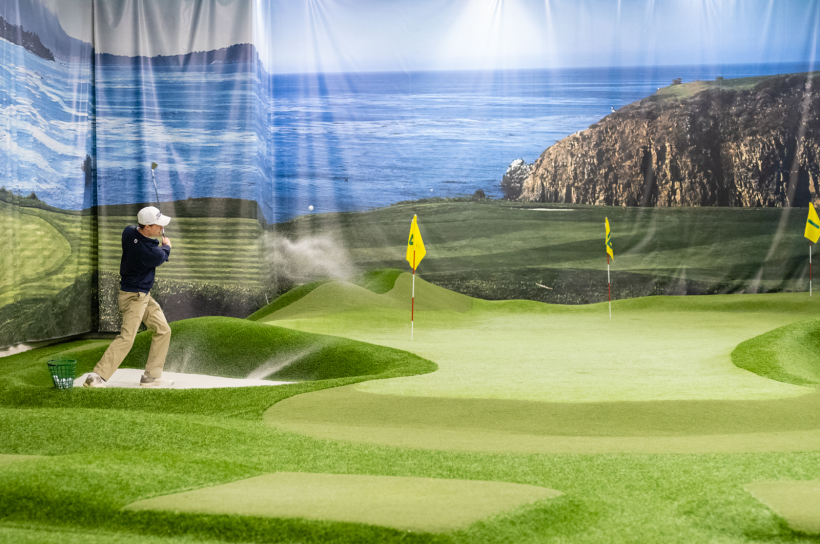
At The Golf Practice, with indoor training facilities in Highland Park and Lisle, new golfers walk through the door every week ready to take that first step. With professional instruction, modern launch monitor technology, and a comfortable indoor setting, getting started has never been more accessible. If you’ve been thinking about learning golf but keep putting it off, book a lesson at The Golf Practice and find out how quickly you can start seeing progress.
The idea that golf is only for people who grew up playing is outdated. More adults are picking up the sport later in life than ever before, and they’re finding that the learning curve isn’t as steep as they expected.
What Holds Most Beginners Back
Fear of embarrassment is the number one reason adults avoid trying golf. They picture themselves whiffing in front of a crowd at a driving range or slowing down a group on the course. That anxiety is understandable, but it’s also based on a scenario that doesn’t have to happen.
A private or small-group lesson in an indoor setting removes that pressure entirely. You’re learning in a controlled space with an instructor who works with beginners regularly. There’s no audience, no rush, and no judgment.
Another common hesitation is cost. People assume golf requires a massive upfront investment in equipment. In reality, most lesson programs provide clubs for beginners. You don’t need to buy anything before your first session.
What You Actually Learn in a First Golf Lesson
A good first lesson doesn’t throw you into the deep end. Your instructor will cover the basics and build from there.
Grip and Stance Fundamentals
How you hold the club and position your body affects every shot. These two things are the foundation everything else builds on, and getting them right early saves you from developing bad habits.
Understanding the Swing
You won’t master a full swing in one session, and no instructor expects you to. The goal is to understand the basic motion, feel the club move through the correct path, and start building muscle memory.
Reading Feedback from Technology
Indoor facilities like The Golf Practice use launch monitors that track ball speed, spin rate, launch angle, and more. Even as a beginner, this data helps you understand what’s happening with each swing so adjustments make sense instead of feeling random.
Why Indoor Golf Training Is Ideal for New Players
Outdoor ranges can be intimidating for someone who has never swung a club. Weather, crowds, and the pressure of an open environment add stress that doesn’t help the learning process.
Indoor training eliminates those variables. The temperature is always comfortable, the setting is private, and the technology gives you instant feedback that speeds up improvement. You can focus entirely on learning instead of worrying about what’s going on around you.
Indoor facilities also allow year-round training. In the Chicagoland area, that matters. You can start lessons in January and be ready to play outdoors by spring.
Golf Is a Sport You Can Play for Decades
Most sports have a physical ceiling. Your body eventually can’t keep up with the demands of running, jumping, or absorbing contact. Golf is different.
Players in their 70s and 80s still enjoy rounds regularly. The sport rewards technique and strategy over raw athleticism, which means the skills you develop now will stay with you.
- Golf provides low-impact exercise that supports joint health and mobility
- Walking a course burns between 1,000 and 2,000 calories depending on terrain
- The mental focus required during a round has been linked to improved cognitive function in older adults
- Social connections built through golf tend to last, since the sport doesn’t age you out
Starting later in life doesn’t mean you’ve missed your window. It means you’re entering a sport designed to grow with you.
How Adults Learn Differently Than Kids
Adults sometimes worry they’ll struggle more than younger learners. The truth is that adult beginners have advantages kids don’t.
You understand instruction better. When a coach explains swing mechanics or the physics behind ball flight, you can process that information and apply it deliberately. Kids learn through repetition and imitation. Adults learn through comprehension and intention.
You’re also more motivated. Adults who take a first lesson are doing it because they want to, not because a parent signed them up. That internal motivation makes a real difference in how fast you progress.
What to Expect Before Your First Session
Walking into any new experience is easier when you know what’s coming. Here’s how to set yourself up:
- Wear comfortable athletic clothing and flat-soled shoes
- Arrive a few minutes early to meet your instructor and get familiar with the space
- Don’t buy clubs beforehand — your instructor will provide what you need and can advise on purchases later
- Come with realistic expectations — one lesson won’t make you a golfer, but it will make you someone who’s started
That last point matters the most. Progress in golf is incremental, and every session builds on the one before it.
The Only Thing Between You and Golf Is a First Step
There’s a myth that golf requires natural talent. Some people do pick it up faster than others, but long-term improvement comes from consistent practice and quality instruction, not genetic gifts.
The golfers who improve the fastest are the ones who show up regularly, listen to their instructor, and put in focused practice between lessons. The Golf Practice offers lesson packages and practice memberships that make it easy to build that consistency into your routine.
Talent gets attention. Consistency gets results.
Every golfer you see on a course took a first lesson at some point. None of them were born knowing how to read a green or shape a draw. They all started where you are right now — curious, maybe a little unsure, and ready to try.
There is no perfect age to begin. There is no required skill level. The only thing that separates someone who plays golf from someone who doesn’t is the decision to start.
Whether you’re looking to pick up a new hobby, get more active, or finally try the sport your friends keep talking about, a single lesson is all it takes to find out if golf is for you.