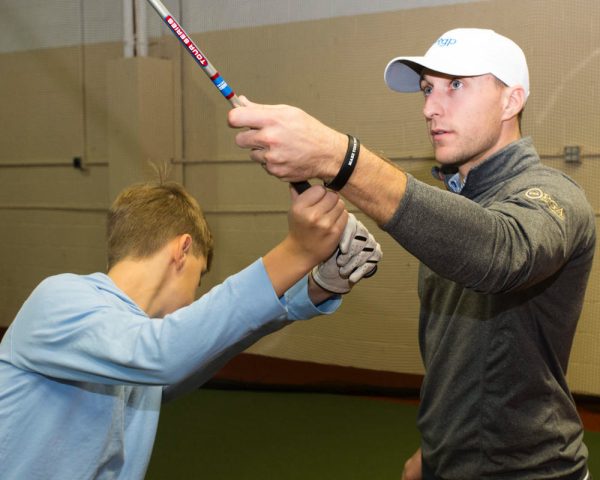
Choosing a junior golf program in the Chicago suburbs isn’t as simple as picking the closest facility or the cheapest option. The right program for a six-year-old trying a club for the first time looks nothing like the right program for a 14-year-old trying to make their high school team. The Golf Practice, with locations in Highland Park and Lisle, Illinois, runs structured junior golf programs for every stage — from beginner Tots classes to full Mastery 360 competitive development. But before you enroll anywhere, here’s what you actually need to know.
What Makes a Junior Golf Program Worth the Investment
Most programs offer instruction. Fewer offer a documented advancement pathway. The difference matters more than most parents realize at the start. A program without a defined ladder from one level to the next leaves you guessing whether your child is improving or just going through the motions. A program with a clear structure — Junior Essentials, High School Prep, Mastery 360 — shows you where your child is, where they’re headed, and what the next milestone looks like.
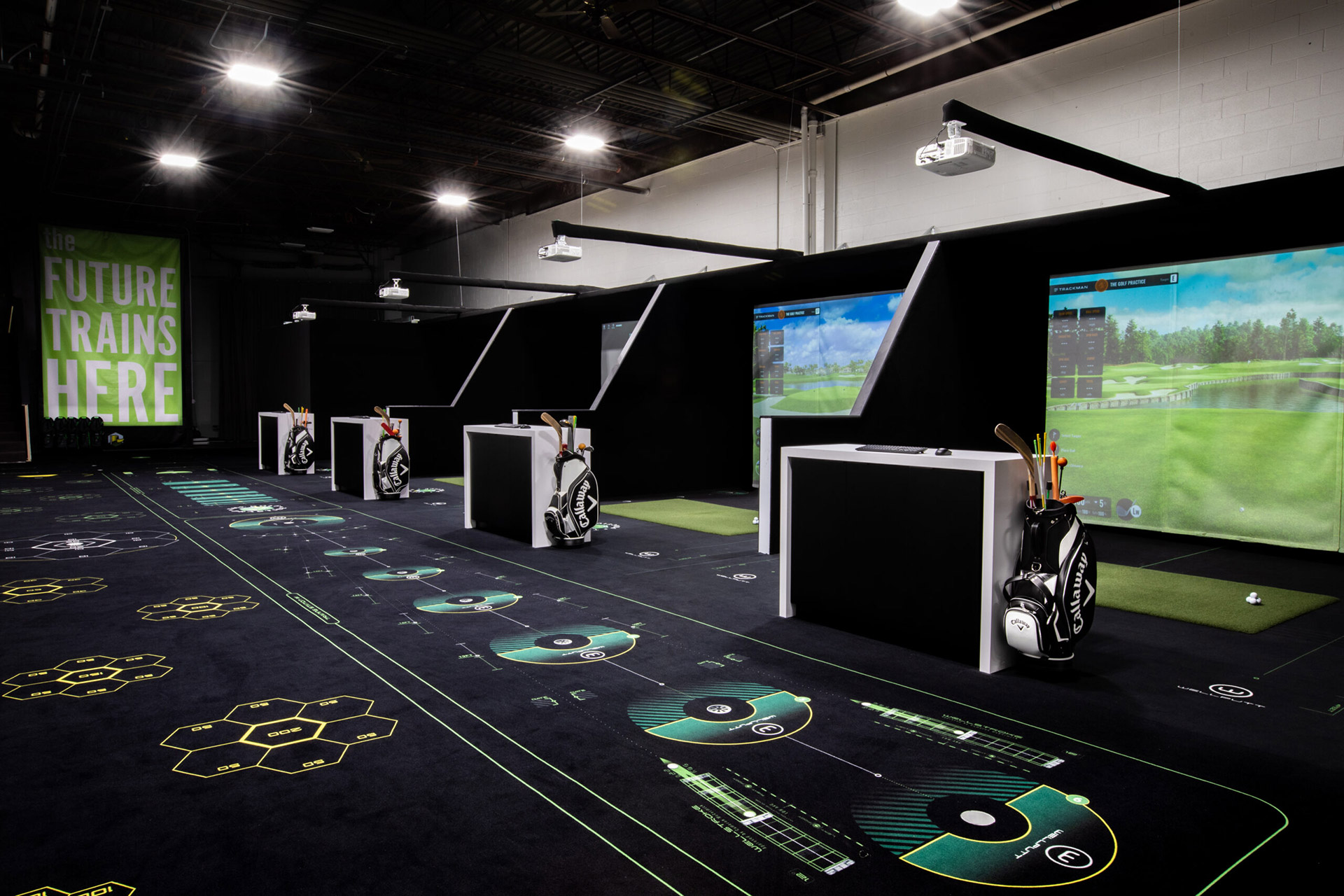
The other factor that separates programs is technology. Junior golfers who train with launch monitor data (TrackMan, in The Golf Practice’s case) get objective feedback that accelerates improvement. A coach can tell a 10-year-old to “swing through the ball” indefinitely. Or they can show that child their swing path on a screen, and the correction happens in minutes instead of months.
The Right Age to Start — And What That First Program Should Look Like
The Golf Practice runs Junior Essentials Tots for ages 3 and 4. That may sound early, and it is — but the research on early sport introduction is consistent: children who are introduced to fundamentals before age 6 show significantly better long-term motor skill development, according to a 2018 study published in the Journal of Motor Learning and Development. That doesn’t mean drilling swing mechanics with a three-year-old. It means fun, structured activity that builds hand-eye coordination, body awareness, and comfort with the game.
For ages 5 and up, Junior Essentials I (the “Never Touched a Club” program) introduces real fundamentals in a low-pressure format. By the time a child reaches Junior Essentials III, they have the technical base to enter competitive play. The progression is designed so that no child is pushed beyond what their development supports — and no child is held back once they’re ready to move forward.
Questions Every Parent Should Ask Before Enrolling
Before you write a check or sign an enrollment form, ask these questions of any junior golf program in the Chicago suburbs. First: what is the student-to-coach ratio? Anything above 6:1 for younger juniors typically means your child spends most of the session waiting, not swinging. Second: how is progress tracked? If the answer is vague — “the coaches monitor each student” — that’s a warning sign. Look for programs that use data, video, or documented benchmarks to measure advancement.
Third: what happens when your child is ready to move up? A program without a next level is a program with a ceiling. Fourth: what are the coaches’ credentials? Look for PGA-certified instruction and experience specifically with junior development, not just general instruction. Illinois PGA Teacher of the Year credentials, for instance, carry real weight — Chris Oehlerking of The Golf Practice earned that recognition in 2024.
What Separates a Training Academy from a Summer Camp
Summer camps have their place — they’re great for exposure and fun. But they’re not the same as a structured development program, and it’s worth being clear on the difference. A camp runs for a week or two. A junior golf program runs year-round. A camp might cover grip, stance, and a few swings at the range. A structured program covers the same technical content, then builds on it the following session, and the session after that.
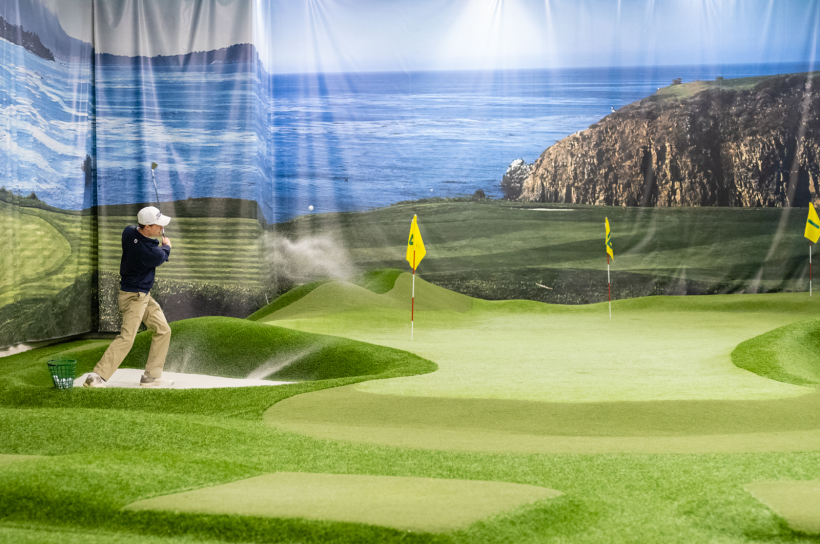
The Golf Practice offers both — summer camps across Evanston, Winnetka, Highland Park, and Lisle, alongside year-round programs that pick up where the summer leaves off. The camps are a great entry point for families new to the sport. But the families whose kids consistently make varsity teams and advance to competitive junior golf are the ones in the High School Prep or Mastery 360 programs year-round, not just in July.
Not Sure Which Program Fits Your Child?
The Golf Practice team can walk you through every level and help you find the right starting point for your junior golfer — whether they’re picking up a club for the first time or preparing for varsity tryouts.
Contact Us or call (847) 850-0956.
The Role of Technology in Junior Development
TrackMan data doesn’t just help adult golfers — it’s a powerful teaching tool for juniors, especially once they reach the 10-and-up range. When a junior golfer can see that their club path is 8 degrees left of their target line, and then see that number move to 3 degrees left after a correction, the feedback loop becomes self-reinforcing. They understand what they’re working on. They can feel the difference and see it confirmed.
The Golf Practice runs seven TrackMan simulators at Highland Park and eight at Lisle. Every student in the Youth Introduction programs and up has access to that data. For competitive juniors in the HS Prep and M360 tracks, the data becomes part of a documented improvement record — the kind of objective evidence that matters when a junior golfer is presenting their development history to a college program.
Understanding the Advancement Pathway
Here’s how the progression works at The Golf Practice. Junior Essentials (Tots through Level III) covers the introduction phase: fundamentals, comfort with the game, and early competitive exposure. High School Prep (11u, 14u, and 17u) moves into structured technical development, on-course strategy, and preparation for high school tryouts. Mastery 360 (11u, 14u, 17u, and Elite) is the competitive track — the program for juniors who are actively competing, targeting collegiate golf, or developing toward a scholarship path.
No other facility in the Chicagoland area runs a junior development ladder with this level of specificity, from ages 3 through 17-and-up, with documented outcomes at each stage. North Shore families in Lake Forest, Deerfield, Winnetka, Glencoe, and Highland Park have built this pathway into their children’s long-term athletic development because the structure is real and the results are documented.
How to Know If Your Child Is in the Right Program
A few signs that a program is working: your child is engaged during sessions, not distracted. Coaches know their name, their specific swing tendencies, and what they worked on last session. Progress is visible — either through data, video comparison, or a move to a more advanced level within the program. And the coaching feels like it has a direction, not just random tips at each session.
A few signs a program isn’t the right fit: your child is consistently working on the same thing without improvement, coaches rotate so often there’s no continuity, or the structure feels more like babysitting than instruction. The best junior golf programs in the Chicago suburbs — the ones that produce varsity golfers and competitive players — share one quality: they are coach-driven, not facility-driven. The building is irrelevant. The coaching system is everything.
Frequently Asked Questions
What age should my child start a junior golf program?
The Golf Practice accepts students as young as age 3 in the Tots program. For most children, ages 5 through 7 represent an ideal window for Junior Essentials I — old enough to follow instruction, young enough to build fundamentals before habits form. That said, it’s never too late. The Golf Practice works with beginners of all ages across every program level.
How much time does junior golf require to see real improvement?
For casual development, one session per week during an active program is sufficient to show measurable progress within a season. For competitive development — a junior targeting varsity or tournament play — two to three sessions per week with additional practice time is the standard. The Golf Practice’s year-round access means that practice doesn’t stop in November, which is where competitive juniors build their real advantage.
Can my child join mid-season or mid-year?
Yes. The Golf Practice’s indoor facilities run year-round, and enrollment is not restricted to a single start date. A coach assessment at enrollment determines the right program level for each new student, regardless of when they join.
Is The Golf Practice only for serious competitive juniors?
No. The Junior Essentials track is specifically designed for beginners and casual players. Not every junior golfer wants to compete — some just want to play with their family, enjoy the game, and build lifelong skills. The program ladder accommodates both paths. The difference is that if a junior shows competitive potential, the structure is already in place to develop it.
Ready to Get Started?
Whether your child is three years old or thirteen, The Golf Practice in Highland Park and Lisle has a junior golf program built around where they are right now — and where you want them to go.
Contact Us or call (847) 850-0956.