
Why Youth Golf Training Matters Early
Golf rewards players who start building good habits young. Unlike many sports where raw athleticism can compensate for poor technique, golf demands precision, patience, and repeatable mechanics. Young golfers who invest time in the right skills early gain an advantage that compounds year after year.
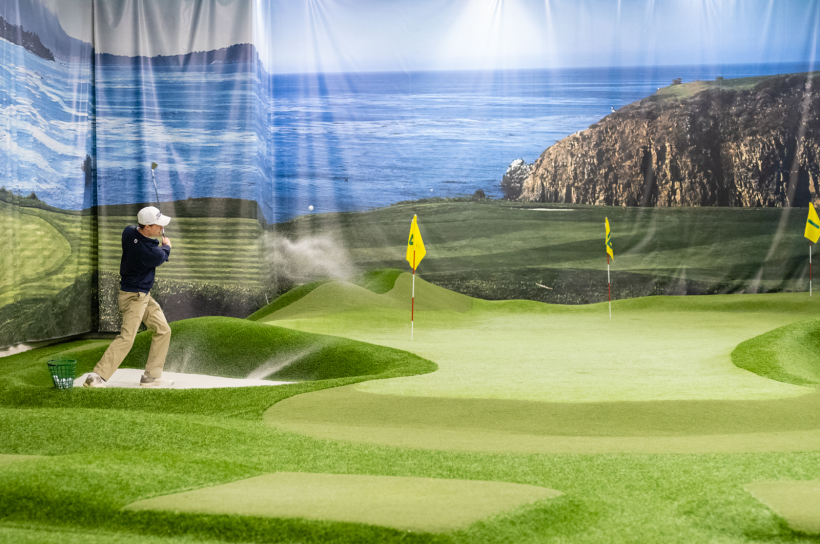
At The Golf Practice, with locations in Highland Park and Lisle, young players across the Chicagoland area train year-round through indoor and outdoor programs. If your child is serious about improving their game, book a session to start building a foundation that lasts.
The skills below aren’t just nice to have. They’re what separate youth golfers who plateau from those who keep getting better.
Grip and Setup Fundamentals
Finding the Right Grip
The grip is where every swing begins. A youth golfer who learns a neutral grip early avoids years of compensations and bad habits down the road. The interlocking grip works well for younger players with smaller hands, while the overlap grip suits those with more hand strength.
Grip pressure matters just as much as hand placement. Holding the club too tight restricts wrist hinge and kills clubhead speed. A light, consistent grip pressure lets the club release naturally through impact.
Stance and Alignment
A proper stance gives the swing a stable base. Feet should be roughly shoulder-width apart for mid-irons, slightly wider for woods. Ball position shifts forward for longer clubs and moves toward center for shorter ones.
Alignment is where many young golfers go wrong without realizing it. Laying an alignment stick on the ground during practice helps train the eyes and body to aim correctly. Without this step, even a good swing sends the ball in the wrong direction.
Short Game Control
More than half of all golf shots happen within 100 yards of the green. Youth golfers who spend most of their practice time hitting drivers miss the area where scores actually drop.
A strong short game includes:
- Chipping with consistent contact and predictable roll
- Pitch shots that control distance through swing length, not swing speed
- Bunker shots with an open clubface and committed follow-through
- Lag putting to eliminate three-putts
- Reading greens by walking the full line of a putt
Spending even 30 minutes per practice session on chipping and putting produces faster scoring improvement than an hour on the range.
Course Management and Decision Making
Knowing when to play aggressive and when to play safe is a skill most young golfers overlook entirely. They watch professionals hit hero shots and try to replicate them without the same consistency or experience.
Smart course management starts with understanding personal distances. A youth golfer should know exactly how far they hit each club. Not their best shot, but their average.
From there, decisions get simpler. If water guards the left side of a green, aiming center-right removes the big number. If a par five isn’t reachable in two, laying up to a comfortable wedge distance leads to more birdies than forcing a long iron.
These choices don’t require more talent. They require more awareness.
Mental Toughness on the Course
Handling Bad Shots
Every golfer hits bad shots. What separates competitive youth golfers from recreational ones is how quickly they reset. Dwelling on a bad hole changes body language, tightens muscles, and leads to more mistakes.
A simple reset routine helps. Take a deep breath, pick a target for the next shot, and commit fully to the process. The last shot is already over. The next one is all that matters.
Staying Focused Over 18 Holes
Golf rounds take four or more hours. Maintaining concentration that long is a learned skill, not a natural one. Young golfers benefit from building a pre-shot routine that triggers focus only when it’s needed, then letting go between shots.
Talking with playing partners, noticing the surroundings, and staying relaxed between shots keeps mental energy available for the moments that count.
Physical Fitness and Flexibility
Golf is more physically demanding than it looks. A full swing generates rotational forces that stress the back, hips, and shoulders. Youth golfers who build functional strength and flexibility play better and stay healthier over time.
Key areas to focus on include:
- Hip mobility for a full turn without lower back strain
- Core strength to maintain posture throughout the swing
- Shoulder flexibility to achieve a complete backswing
- Leg strength for stability and balance during weight transfer
- Wrist and forearm conditioning for consistent club control
Training at The Golf Practice goes beyond just hitting balls. Building the body to support the swing is part of developing a complete player.
Practice Habits That Build Long-Term Growth
Hitting a bucket of balls with no target and no plan isn’t practice. It’s exercise. Youth golfers improve faster when every session has a structure and a specific goal.
Block practice, where the same shot is repeated many times, helps build new mechanics. Random practice, where the club and target change every shot, builds the ability to perform under real-course pressure. Both belong in a weekly routine.
Tracking progress matters too. Keeping a simple practice journal that records what was worked on, what felt good, and what needs attention gives both the player and their coach a clear roadmap for improvement.
How Year-Round Training Gives Youth Golfers an Edge
Improvement in golf depends on consistency. Long gaps between practice sessions let bad habits creep back in and slow down progress. Youth golfers who train year-round, regardless of the season, develop faster than those who only play during warmer months.
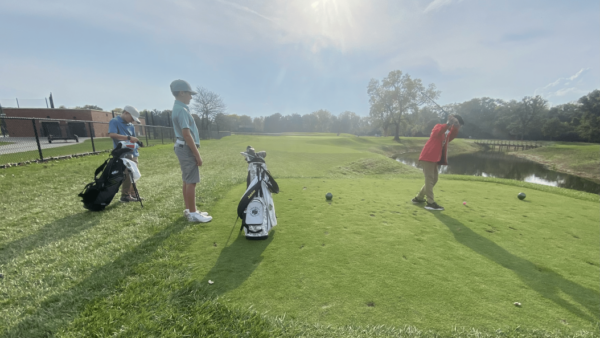
During summer, outdoor programs let young golfers apply their skills on real turf with natural conditions like wind, uneven lies, and actual green speeds. That kind of environment builds feel and adaptability that can’t be replicated anywhere else.
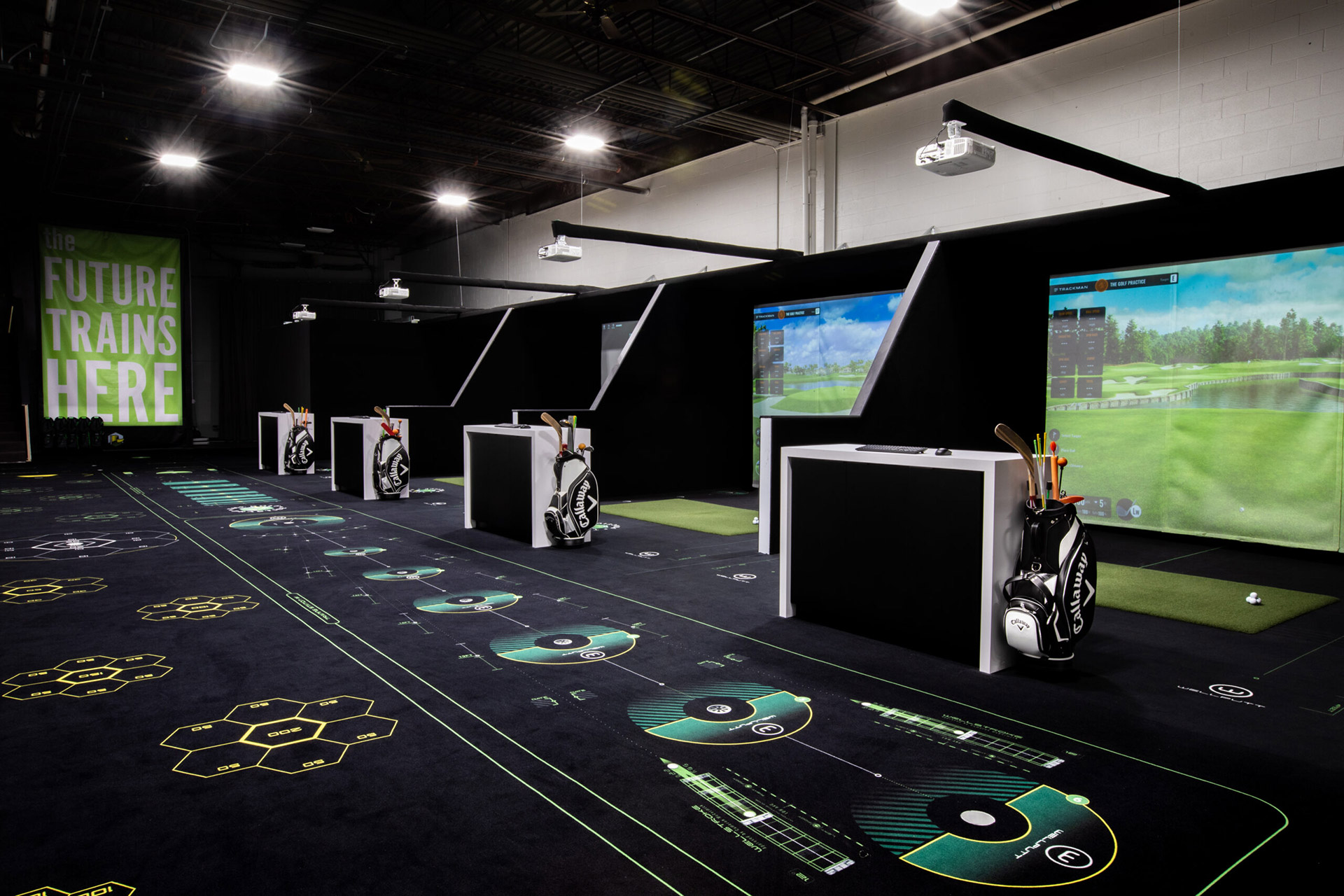
When Chicago weather makes outdoor play impossible, indoor training keeps development on track. Launch monitors provide instant feedback on ball speed, spin rate, launch angle, and carry distance. That data removes guesswork and helps young golfers see exactly what a swing change does to their numbers in real time.
For youth golfers across the Chicagoland area, having access to both indoor and outdoor programs at The Golf Practice is what turns potential into real, measurable results.