
Young golfers spend a lot of time working on their swing, but putting is where strokes are actually saved. On a standard 18-hole course, nearly half of all shots take place on or around the green. For juniors still building their game, learning to putt well early can make the difference between a round that builds confidence and one that doesn’t.
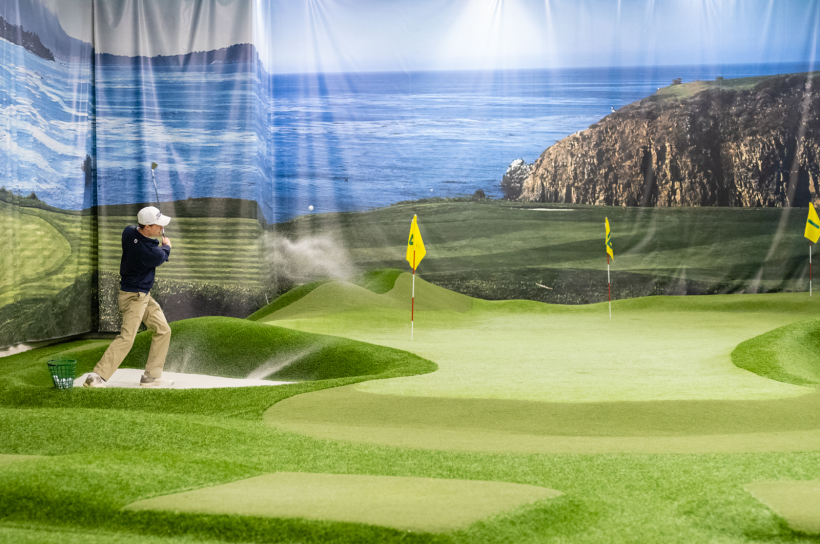
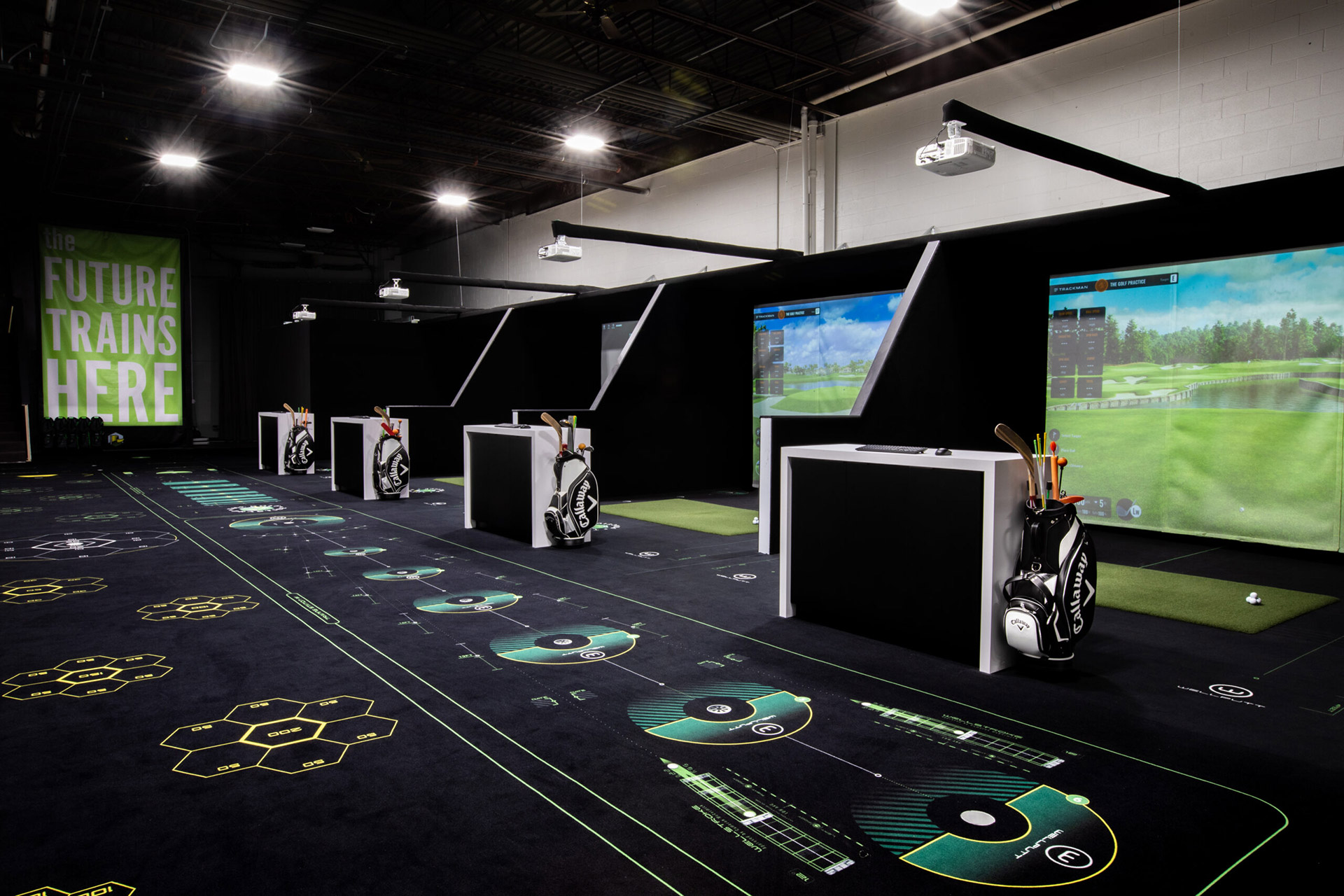
At The Golf Practice, we work with young golfers at our indoor training facilities in Highland Park and Lisle to develop putting skills that hold up under pressure. Our indoor environment removes the variables of weather and course conditions, so juniors can focus entirely on technique, feel, and alignment.
Starting putting lessons at a young age isn’t just about improving scores — it’s about building a skill set that grows with the player for years to come.
Putting Accounts for More of the Game Than Most People Realize
The Numbers Don’t Lie
Tour professionals average around 29 putts per round. Amateur golfers, especially beginners, can easily exceed 40. For a junior golfer, that gap represents a significant opportunity.
When young players understand that putting is a major component of the game — not an afterthought — they start approaching it with more intention. Putting lessons give juniors a way to put that intention into practice with structure and real guidance.
Improving from 40 putts per round to 32 can lower a score by eight strokes without changing a single thing about the full swing. That kind of progress is achievable, and it becomes far more likely when lessons start early.
Why Starting Young Matters
Golf is a sport where habits form fast. Young golfers who develop solid putting mechanics early don’t have to spend years unlearning bad technique down the road.
A child who learns proper grip pressure, a consistent stroke path, and how to read a green at age 10 will carry those skills into their teenage years and beyond. Early instruction doesn’t just improve performance — it shortens the learning curve at every stage of development.
The muscle memory built through repetition in structured lessons becomes second nature over time. That’s an advantage junior golfers carry into every competitive round they play.
What Junior Golfers Learn in Putting Lessons
Putting lessons cover more ground than most parents expect. Here’s what young golfers typically work on during instruction:
- Grip and setup: Learning how to hold the putter and position the body for a repeatable, consistent stroke
- Stroke mechanics: Developing a pendulum-style motion that minimizes unwanted face rotation through impact
- Alignment: Training the eyes and feet to aim accurately at the intended target line
- Distance control: Developing feel for how much force is needed for short, mid-range, and long putts
- Green reading: Understanding slope, grain, and speed so they can adjust before the putt
- Pre-putt routine: Building a consistent process to follow before every putt
These aren’t advanced concepts reserved for competitive players. Junior golfers at all skill levels can learn and apply them with the right coaching behind them.
Indoor Training Gives Young Golfers a Real Advantage
Most junior golfers only practice putting when they’re already out on the course. That’s not enough repetition to build real skill.
Indoor facilities like The Golf Practice in Highland Park and Lisle give young players dedicated practice space year-round. In the Chicago area, that matters. Weather limits outdoor practice for a significant part of the year, and indoor training keeps development on track regardless of the season.
Controlled Conditions Speed Up Learning
When a junior practices indoors, they can work on one specific element at a time without the distraction of wind, uneven terrain, or other course conditions. Instructors can see exactly what’s happening with a player’s stroke and make real-time adjustments that stick.
This focused environment accelerates improvement in a way that on-course practice alone simply can’t replicate.
The Mental Side of Putting
Putting is as much a mental skill as a physical one. Young golfers who learn to manage pressure on the green early develop composure that shows up in every competitive situation they face.
Lessons teach juniors to commit to their read, trust their stroke, and stay process-focused rather than fixating on results. These habits reduce anxiety and help younger players perform better when the round actually counts.
A junior who can confidently step up to a five-foot putt under pressure has an advantage that goes well beyond the scoreboard.
Signs Your Junior Golfer Is Ready for Putting Lessons
You don’t need to wait for a specific age or skill level to begin. Here are a few signs your child might be ready:
- They play golf regularly and are starting to care about their score
- They get frustrated on the greens but aren’t sure how to improve
- They’ve received swing lessons but putting has never been directly addressed
- They show competitive interest in junior programs or tournaments
- They respond well to structured practice and repetition
If a few of these sound familiar, putting lessons are worth exploring sooner rather than later.
Start Putting Lessons at The Golf Practice
The Golf Practice operates indoor golf training facilities in Highland Park and Lisle, serving junior golfers across the Chicagoland area. Our instructors work with players at all skill levels to build putting skills that make a measurable difference on the course.
If your child is ready to take their game seriously, contact The Golf Practice today to schedule a junior putting lesson.