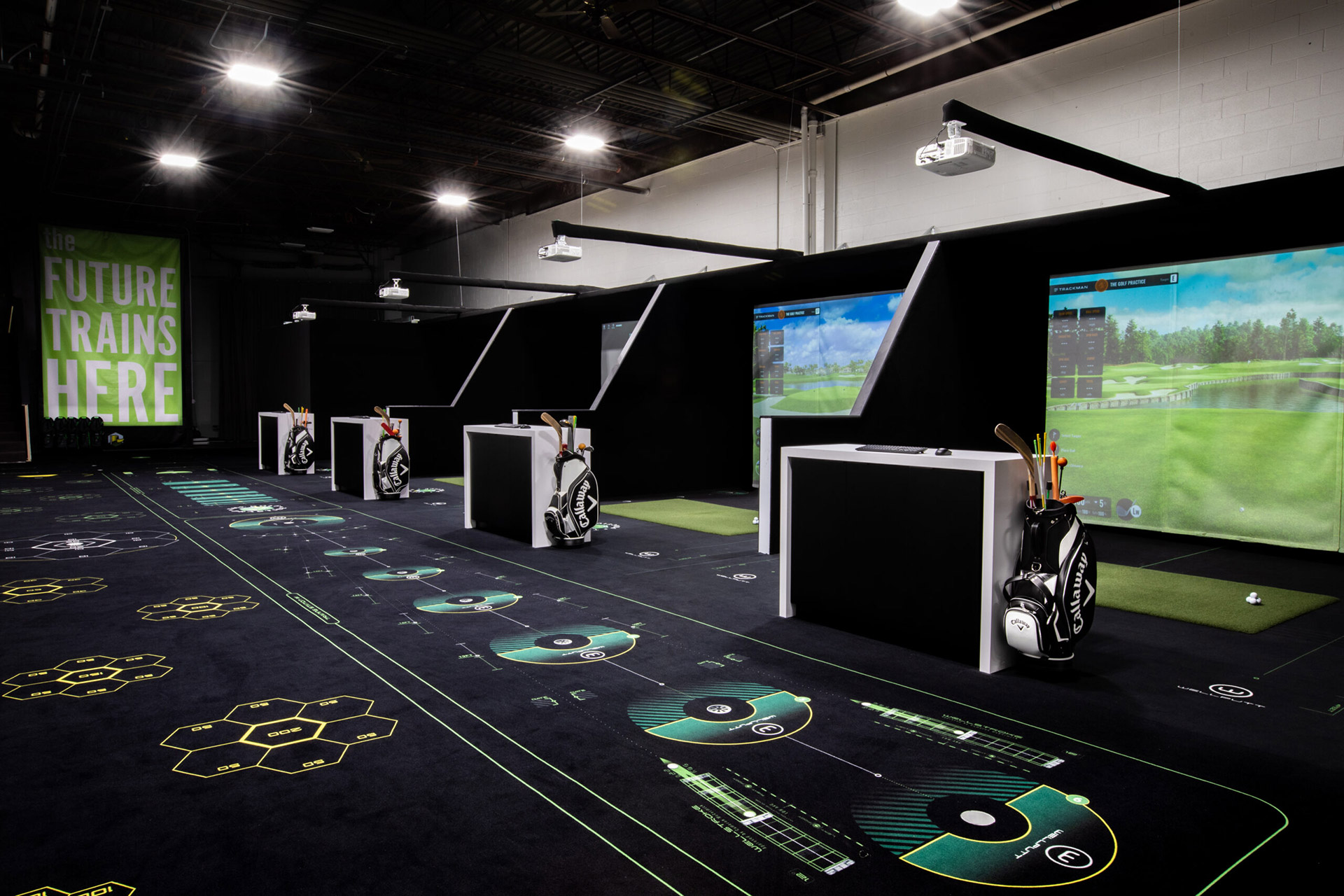
Golf lessons for ages 3 to 5 in Illinois are less about the golf swing and more about movement, coordination, and fun that happens to use a club and ball. The Golf Practice runs an age-appropriate program for this exact group — Junior Essentials for Tots — at its indoor facilities in Highland Park and Lisle, so North Shore and western-suburb families can start their kids the right way, year round. Here is what to expect and how to tell a real program from a glorified play session.
Can a 3- to 5-Year-Old Really Take Golf Lessons?
Yes, when the lessons are built for how a toddler actually learns. At this age the goal is not a textbook swing; it is balance, hand-eye coordination, listening, and the simple joy of making a ball go. Those are the real building blocks, and golf is a friendly way to develop them.
The Golf Practice designed Junior Essentials for Tots around short attention spans and big enthusiasm, so a 4-year-old leaves wanting to come back rather than worn out by drills meant for older kids.
What Age-Appropriate Golf Looks Like for Toddlers
Sessions are short, active, and game-based. Kids roll, toss, and tap balls toward targets, learn to grip a right-sized club, and practice taking turns. Coaches keep instruction simple and physical, because a 3-year-old learns by doing, not by listening to swing theory.
This matters more than parents expect. The U.S. Kids Golf approach to junior development stresses properly sized equipment and stage-appropriate challenges, because a club that is too long or a task that is too hard turns a child off the game fast.
The Skills Tots Actually Build
The biggest gains at this age are physical and social, not technical. Swinging at a target develops gross motor control. Waiting for a turn builds patience. Following a coach’s cue builds focus. These transfer to every sport and to the classroom.
There is a health case too. The CDC recommends that children get 60 minutes of physical activity a day, and an active golf class for little kids is a fun way to add some of that movement. Early positive experiences with sport also make kids more likely to stay active as they grow, a point echoed in the federal Physical Activity Guidelines for Americans.
How The Golf Practice Structures It
Tots is the first rung of a real ladder, not a one-off camp. As a child grows, the path continues through Junior Essentials I and the rest of the youth introduction programs, so the early fun turns into actual skill over time.
That structure is the difference between a place that entertains kids and one that develops them. Our piece on skills every youth golfer needs to learn shows how the early basics connect to later competitive ability.
Enroll your child at The Golf Practice and give them a healthy, age-right start.
Why Indoor and Year-Round Matters for Little Kids
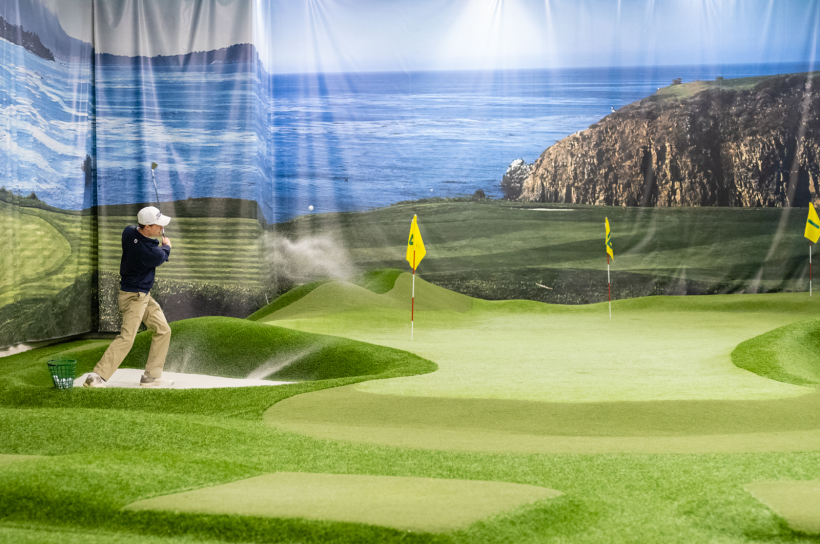
Toddlers do not wait for golf season, and Illinois weather does not cooperate for much of the year. Indoor bays mean a 4-year-old can have a positive golf experience in February, which keeps the habit alive instead of restarting from scratch every spring.
The controlled indoor setting is also safer and calmer for small children — no lost balls in the rough, no heat, no distractions. Families across the North Shore use the Highland Park golf lessons location for exactly this reason.
What Parents Should Look For (and Avoid)
Look for right-sized clubs, short sessions, coaches who clearly enjoy little kids, and a visible progression to the next age group. Those signal a program that understands early childhood, not just golf.
Avoid anything that pushes technical swing instruction on a preschooler or treats a 4-year-old like a miniature adult. As the PGA of America advises, the early years should be about fun and fundamentals so the child wants to keep playing. Pressure at this age is the fastest way to lose a future golfer.
From Tots to the Next Step
The point of starting at 3 to 5 is not to manufacture a prodigy. It is to build a comfortable, capable kid who likes the game and is ready to learn more when they are older. If the foundation is fun, the skills come later without a fight.
For the bigger picture on early starts, our look at starting your kid in golf before age 10 explains why these first years matter so much, and our overview of whether golf is good for kids to learn covers the wider benefits.
Keeping It Fun Is the Whole Job
With this age group, fun is not a bonus — it is the entire strategy. A 4-year-old who giggles through a session wants to come back, and coming back is what builds skill over time. Push too hard and you get a child who decides golf is work, which is the one outcome a good program never risks. The coaches keep energy high, wins frequent, and frustration low, so the lasting takeaway is simple: golf is something I love. Everything technical can wait until that foundation is set.
Frequently Asked Questions
Is 3 too young to start golf?
Not for an age-appropriate program. At 3, the focus is movement and fun with right-sized clubs, which builds coordination and a love of the game.
What does my child need to bring?
Usually just comfortable clothes and shoes. Tot-sized clubs are provided as part of the program, so you do not need to buy a set first.
How long are the sessions?
Short by design, to match a young child’s attention span. The goal is for kids to leave excited rather than tired out.
What comes after the Tots program?
Children move up to Junior Essentials I and the rest of the youth introduction ladder, so skills grow with them year after year.
Ready to Get Started?
Give your 3- to 5-year-old a fun, healthy first experience with golf at an indoor facility built for young kids.
Contact The Golf Practice or enroll in Junior Essentials for Tots.