Picking the right junior golf program is hard because every option sounds the same in a brochure — but the wrong fit wastes time and money, and can sour a child on the game. The Golf Practice runs a connected ladder of junior golf programs at its Highland Park and Lisle facilities, from first swings to college-bound training. This guide compares them side by side so you can match your child to the right stage with confidence.
Start With Three Questions
Before comparing programs, answer three things honestly about your child: how old they are, how much golf experience they have, and how badly they want it. Those three together point to the right starting stage far more reliably than age alone.
A 12-year-old who has never held a club belongs somewhere different than a 12-year-old chasing a high school roster spot. Matching the program to the player — not just the birthday — is the whole game. If you are unsure, an evaluation answers all three questions in a single session.
The Introduction Stage: First Swings and Fun
The youngest and newest players start here, where the goal is coordination, fundamentals, and a love of the game rather than competition. Right-sized clubs and short, active sessions keep kids engaged, an approach the U.S. Kids Golf development model is built around.
At The Golf Practice this is the youth introduction track, running from tots through the Junior Essentials levels. There is a health upside too — the CDC recommends children get 60 minutes of daily activity, and an engaging golf class helps deliver it while building real skills.
The Competitive Stage: From Recreational to Real Training
When a child has the basics and wants to compete, the focus shifts to scoring, short game, and course management. This is a genuine step up in commitment, and it suits players who enjoy practice and want to measure their progress.
The competitive program is where casual golf becomes structured development. Our guide to the signs a child is ready for competitive junior golf helps parents read whether their player is prepared for the jump.
The Advanced Stage: High School Prep and Mastery 360
For serious older juniors, two paths matter most. The high school prep program targets players working to make and move up a team, while the Mastery 360 program is the elite, fully measured path for players with college ambitions.
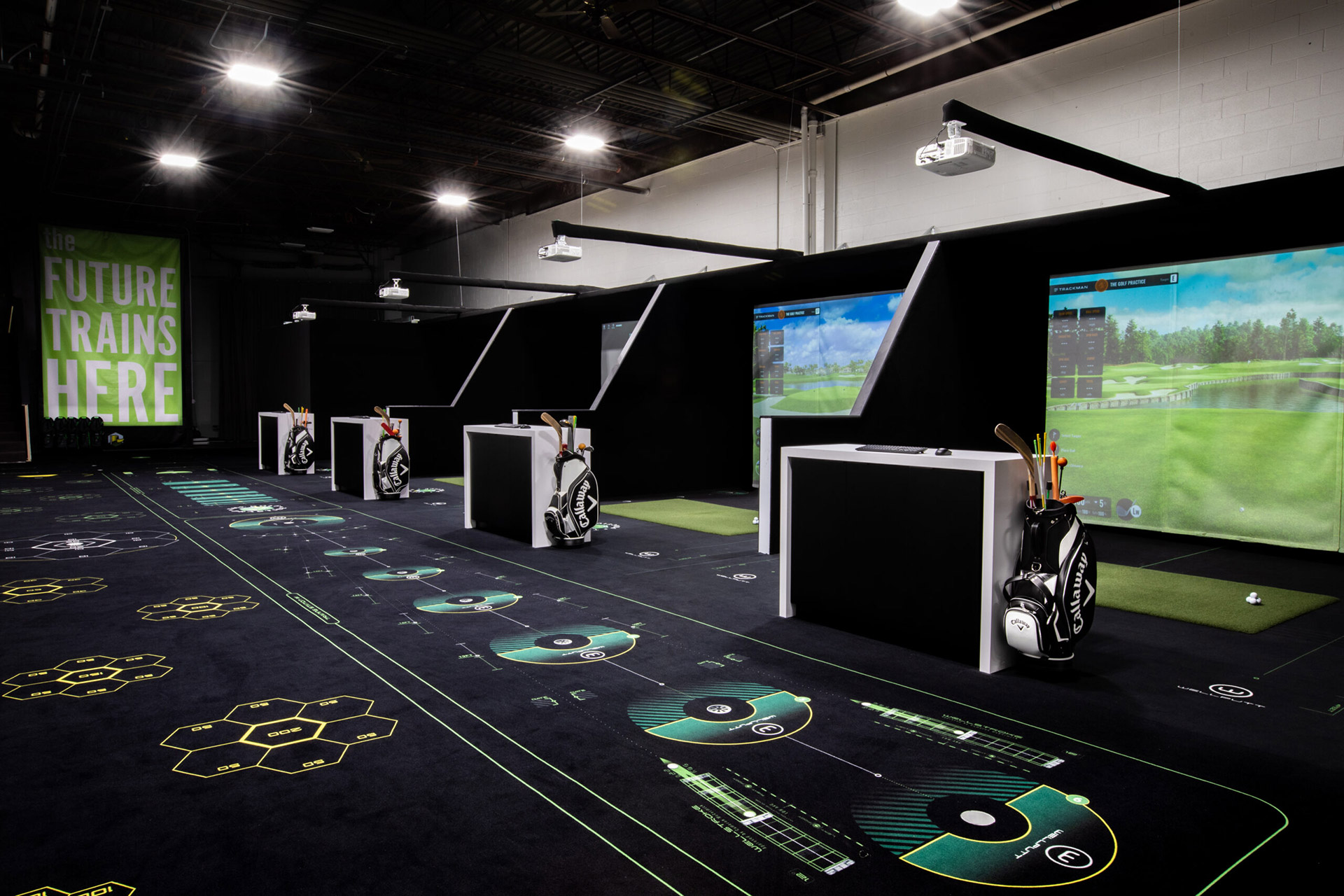
What distinguishes this stage is documentation. Progress is tracked on TrackMan across seasons, so improvement is provable — which matters for high school lineups and, later, for college coaches evaluating a recruit.
Get your child placed at The Golf Practice with a quick evaluation and a clear recommendation.
A Quick Side-by-Side
Here is the short version of which program fits which player:
- New and young (3 to roughly 10): youth introduction — fundamentals, coordination, and fun.
- Has the basics, wants to compete: competitive program — scoring, short game, and structure.
- Aiming at a high school team: high school prep — score-focused training with a measured path.
- College ambitions and high commitment: Mastery 360 — elite, fully documented development.
Most kids move up this ladder over years, keeping what they learned at each rung. That continuity is what separates a program from a one-week camp.
How to Avoid the Common Mistakes
The two most frequent missteps are pushing a child into competition too early and leaving a ready player in a beginner class too long. Both stall progress and drain motivation. The fix is honest assessment — by you and by a coach — rather than guessing from age.
It also helps to think in years, not weeks. A child placed correctly today and advanced as they earn it will pass a peer who jumped ahead before they were ready. Our overview of skills every youth golfer needs to learn shows how the fundamentals at each stage build toward the next.
Why Year-Round Programs Win
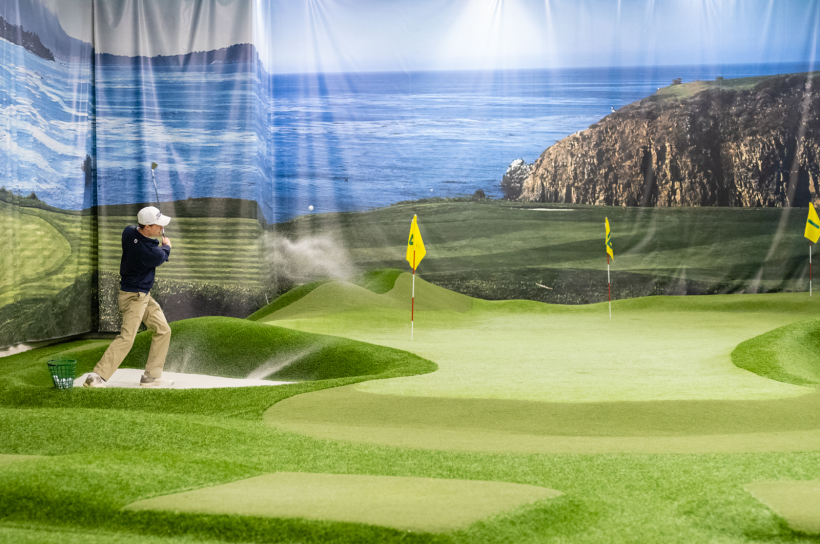
Whatever stage your child is in, consistency drives improvement, and Illinois weather makes outdoor consistency impossible for half the year. Indoor bays in Highland Park and Lisle keep development going through the winter, so a junior does not reset every spring.
That year-round structure is the quiet reason kids in a real program pull ahead — they simply train more weeks of the year than peers who wait for the season to start.
When to Reassess Your Child’s Program
Placement is not permanent, and the right time to reassess is when your child either masters their current level or shows they want more. A player who is bored has outgrown the stage; a player who is struggling may have jumped ahead too fast. Either way, a quick check-in with a coach realigns the plan. Reassessing once or twice a year keeps a junior challenged and progressing rather than stuck, which is how steady development turns into real long-term improvement.
The point is not to lock your child into one box forever. It is to make sure they are always training at a level that fits, with a visible path to the next one. Revisit the fit as they grow, lean on a coach’s read of the data, and your child stays challenged, motivated, and steadily improving year after year.
Frequently Asked Questions
What age should my child start a junior golf program?
As early as 3 in an age-appropriate introduction program. The right stage depends on experience and interest, not age alone.
How do I know if my child is ready to compete?
Look for solid fundamentals plus genuine desire to practice and improve. A coach evaluation confirms readiness quickly.
Can my child move between programs?
Yes. The programs form a ladder, so players advance as they earn it and keep the skills from each stage.
What if I pick the wrong program?
An evaluation reduces that risk, and coaches adjust placement as your child develops. The path is flexible by design.
Ready to Get Started?
Match your child to the right junior golf program with a quick evaluation and a clear, no-pressure recommendation.